


A 6-Day Trip to Datong and Its Surroundings: A Journey Through Ancient Architecture
Introduction
Hey there, fellow travelers! Are you ready to embark on a captivating journey through time and explore the ancient architectural wonders of Shanxi? In this blog post, I’ll take you on a 6-day adventure to Datong and its surrounding areas, where you’ll have the opportunity to encounter some of China’s most remarkable historical sites.
Day 1: Wutai County – Foguang Temple – Nanchan Temple – Hongfu Temple – Yanqing Temple – Wutai Mountain Scenic Area
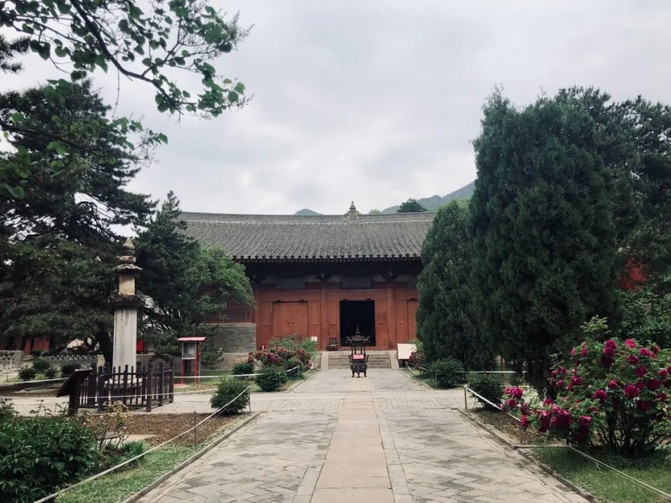
Our journey begins with a visit to the “Number One National Treasure of China” – Foguang Temple. Nestled in the Dou Village surrounded by gentle hills, this ancient temple offers a serene and picturesque setting. As we approach the temple, we’re greeted by a magnificent ancient pine and a charming screen wall. Once inside, we’re immediately struck by the grandeur of the temple complex, which consists of multiple halls, pavilions, and pagodas. The highlight of the temple is the East Hall, a Tang Dynasty relic that boasts an impressive architectural style and exquisite sculptures.
After exploring Foguang Temple, we continue our journey to Nanchan Temple, the oldest existing wooden structure in China. Although the temple has faced some challenges over the years, including the theft of its Buddha statues in the 1990s, it still retains its historical and cultural significance.
Next, we visit Hongfu Temple and Yanqing Temple, two lesser-known but equally fascinating ancient temples. Each temple has its own unique charm and offers a glimpse into the rich history and culture of Shanxi.
Finally, we arrive at the Wutai Mountain Scenic Area, a renowned Buddhist destination that is home to numerous temples and monasteries. The area is known for its beautiful natural scenery and its status as one of the Four Sacred Buddhist Mountains in China.
Day 2: Wutai Mountain – Xiantong Temple – Luohou Temple – Datong
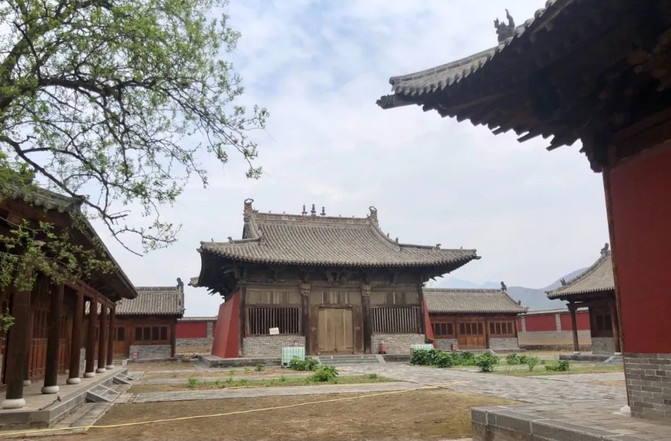
On the second day, we explore the temples of Wutai Mountain. Xiantong Temple, the oldest and largest temple on the mountain, is a must-visit. With its long history and magnificent architecture, it provides a profound insight into the development of Buddhism in China.
We also visit Luohou Temple, a famous Tibetan Buddhist temple that attracts pilgrims from all over the world. The temple’s unique architecture and rich cultural heritage make it a truly unforgettable experience.
In the afternoon, we take a bus from Wutai Mountain to Datong. As we arrive in the city, we’re immediately struck by its vibrant atmosphere and rich cultural heritage. The streets are filled with vendors selling a variety of local specialties, from fresh fruits to delicious snacks.

Day 3: Yungang Grottoes – Jinhua Palace
On the third day, we visit the Yungang Grottoes, one of the Four Great Grottoes in China. These ancient caves are home to thousands of Buddha statues and carvings, each one a masterpiece of art and craftsmanship. Although the grottoes have suffered some damage over the years due to natural and human factors, they still retain their grandeur and beauty.
After exploring the Yungang Grottoes, we visit the Jinhua Palace, a former coal mine that has been transformed into a museum and tourist attraction. Here, we can learn about the history of coal mining in Shanxi and experience the life of miners firsthand.
Day 4: Yingxian Wooden Pagoda – Hanging Temple
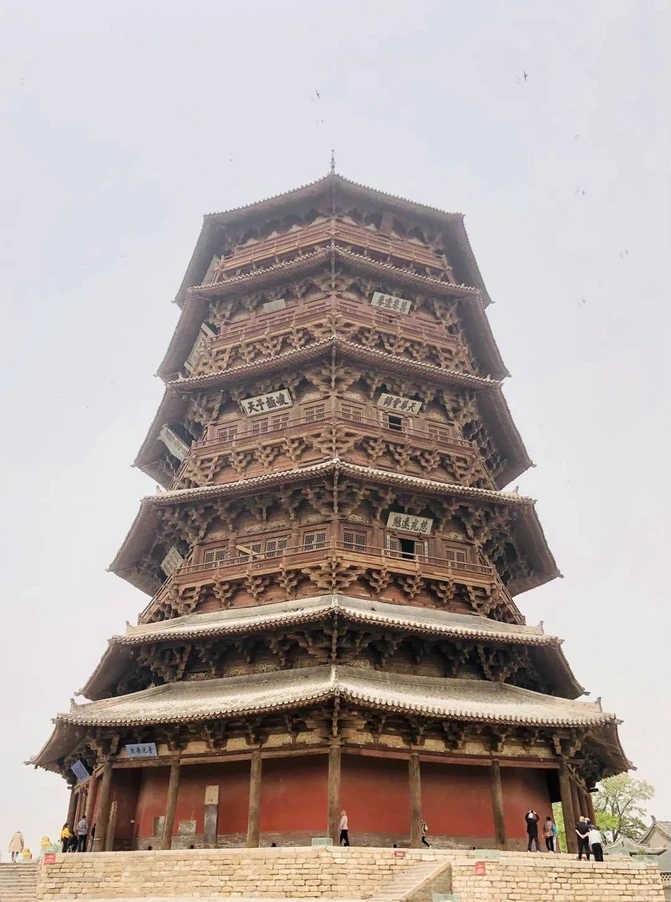
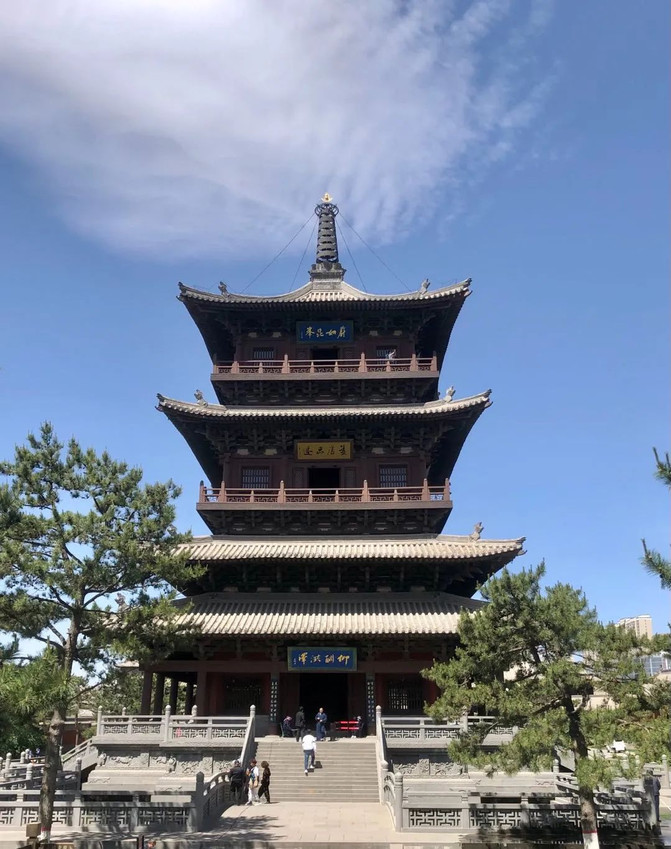
On the fourth day, we make our way to the Yingxian Wooden Pagoda, the tallest wooden pagoda in the world. Standing at over 67 meters tall, this ancient pagoda has withstood the test of time and remains a symbol of China’s ancient architectural achievements.
As we approach the pagoda, we’re greeted by a large number of swallows, which are known as the “Guardians of the Pagoda.” These swallows play an important role in protecting the pagoda from pests and insects.
After visiting the Yingxian Wooden Pagoda, we head to the Hanging Temple, a unique and spectacular temple that is built on the side of a cliff. Supported by a series of wooden beams and columns, the temple appears to be hanging in mid-air, creating a truly breathtaking sight.
Day 5: Datong Ancient City – Shanhua Temple – Drum Tower – Prince Dai’s Mansion – Nine-Dragon Screen
On the fifth day, we explore the Datong Ancient City, a well-preserved historical city that is home to many ancient buildings and cultural relics. Our first stop is Shanhua Temple, a large and magnificent temple that was built during the Liao and Jin dynasties. The temple’s architecture and sculptures are truly remarkable, and it provides a valuable insight into the history and culture of the region.
Next, we visit the Drum Tower, a three-story tower that was built during the Ming Dynasty. From the top of the tower, we can enjoy a panoramic view of the city and its surroundings.
We also visit the Prince Dai’s Mansion, a restored mansion that was once the residence of a prince during the Ming Dynasty. The mansion’s architecture and decoration are very beautiful, and it provides a glimpse into the luxurious lifestyle of the royal family.
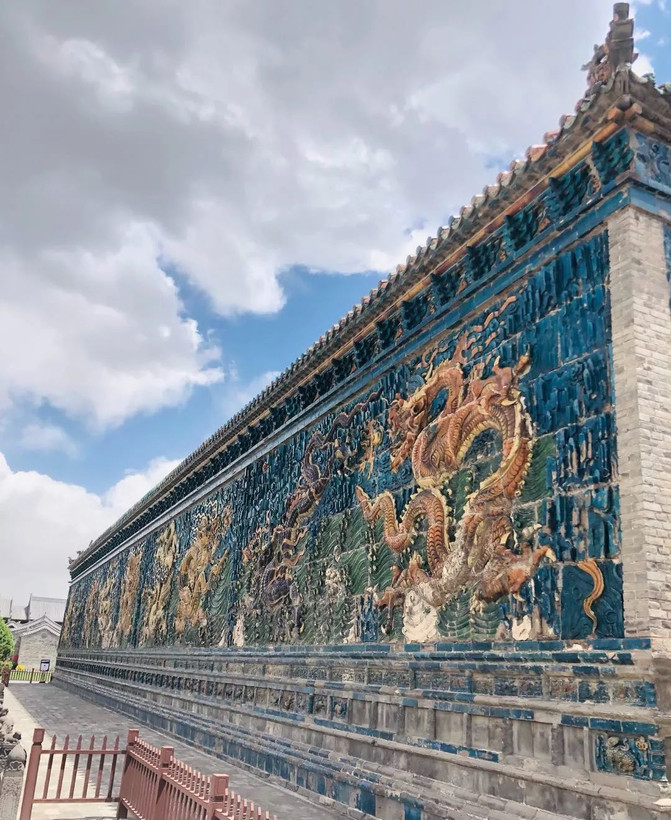
Finally, we visit the Nine-Dragon Screen, a famous screen wall that was built during the Ming Dynasty. The screen wall is decorated with nine dragons, each one carved in exquisite detail. It is a true masterpiece of art and craftsmanship.
Day 6: Huayan Temple – Pingyao Ancient City
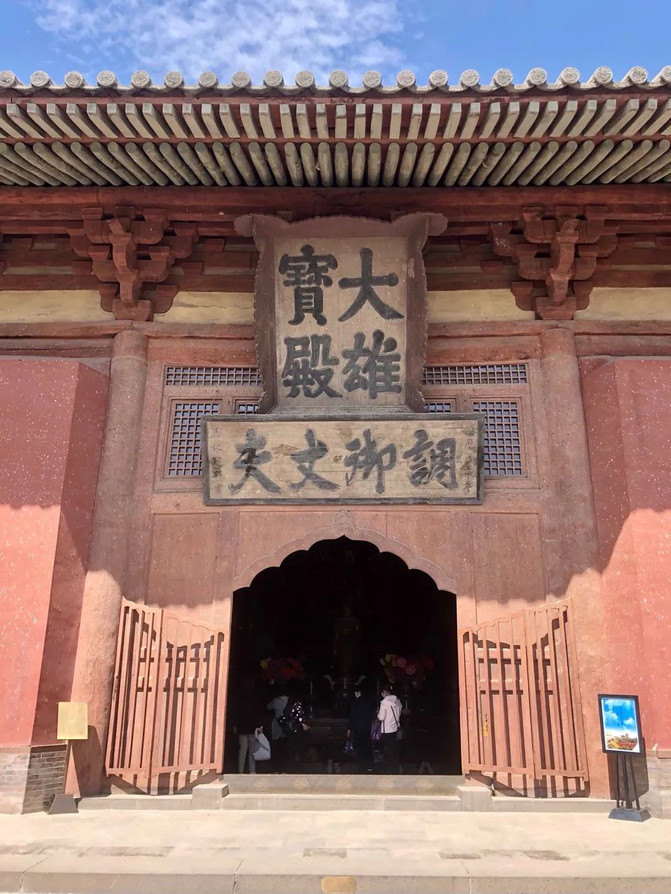
On the sixth and final day of our journey, we visit the Huayan Temple, a large and important Buddhist temple that is located in the heart of Datong. The temple’s main hall, the Daxiong Baodian, is one of the largest and most magnificent Buddhist halls in China. It is built on a high platform and features a unique architectural style and exquisite sculptures.
After exploring the Huayan Temple, we take a high-speed train to Pingyao Ancient City, a well-preserved ancient city that is listed as a UNESCO World Heritage Site. The city is known for its ancient streets, temples, and traditional architecture, and it provides a valuable insight into the history and culture of China.
Conclusion
And that’s the end of our 6-day journey through Datong and its surrounding areas. I hope this blog post has inspired you to plan your own trip to this fascinating region and explore its rich history and culture. Whether you’re a history buff, an architecture enthusiast, or simply looking for a unique and unforgettable travel experience, Datong and its surroundings have something to offer everyone. So what are you waiting for? Start planning your trip today!
Welcome to Datong of China.